Embedded Linux or Android for Industrial Devices: A Decision Checklist
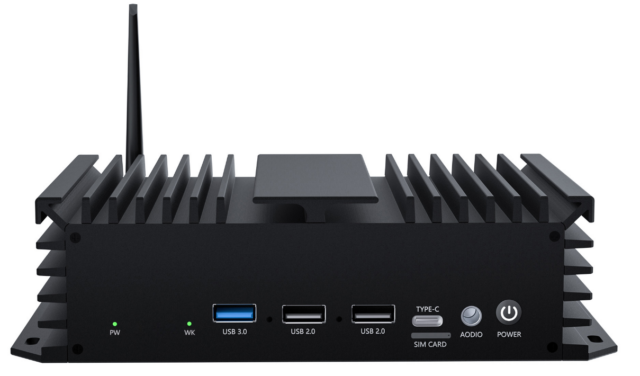
The most common outcome when choosing an operating system for an industrial project is “start with Android, switch to Linux when it stops working” — and the price is…

The most common outcome when choosing an operating system for an industrial project is “start with Android, switch to Linux when it stops working” — and the price is…
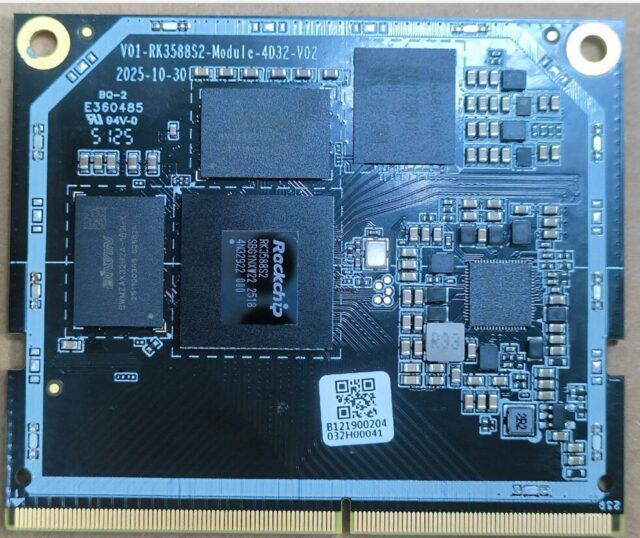
RK3588 and RK3588S are often treated as a high-end and low-end version of the same chip. They are indeed the same generation, with the same eight-core CPU (4×Cortex-…
In industrial projects, the interfaces between the board and field equipment are where problems concentrate. Sensors, actuators and variable-frequency drives all inj…
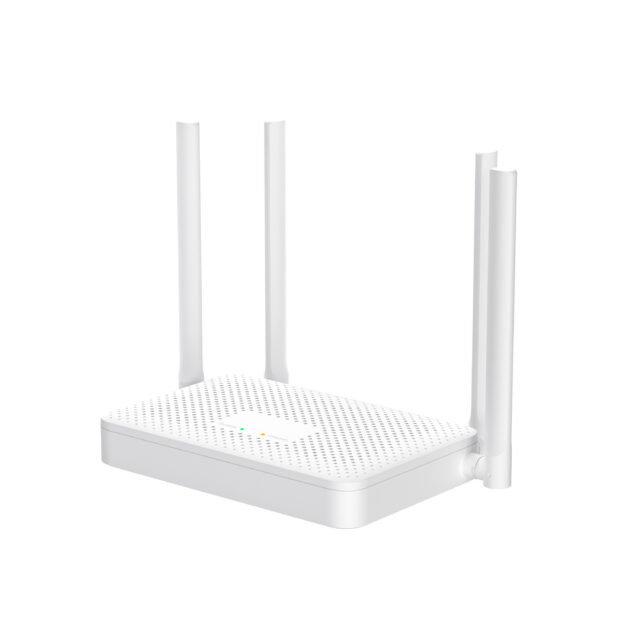
Downtime is expensive on an industrial site, and networking is the most failure-prone part of the chain. The goal of redundancy is not “no failures” but “a failure t…
Attaching a 4G/5G module to an industrial router or edge gateway looks like a matter of inserting a card. In practice, half the engineering problems come from power…
When an edge device fails, the leading cause is usually not software but thermals. A box that performs beautifully in an air-conditioned server room may not survive…
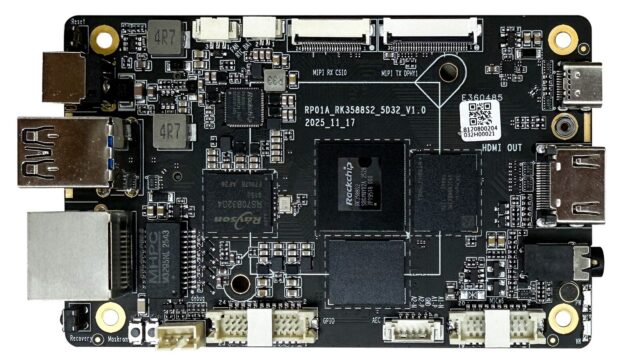
In machine vision projects the camera count is usually fixed during requirements, but bandwidth rarely gets calculated first. The result is a board that drops frames…
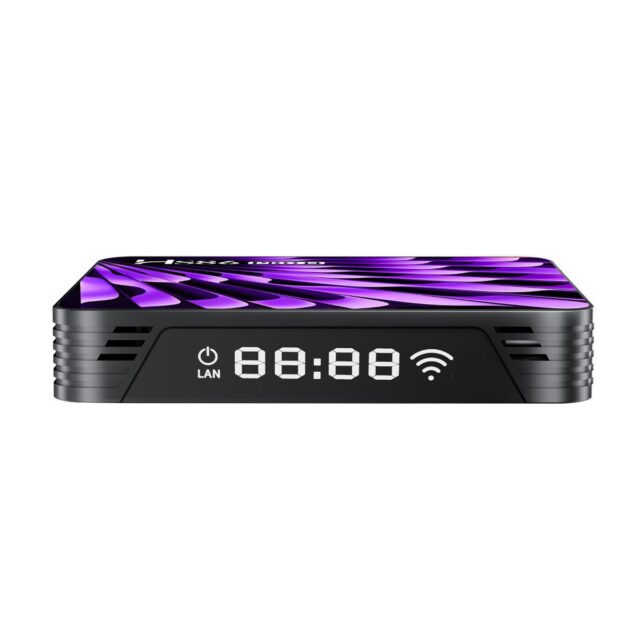
Enterprise information display and digital signage look like a simple requirement: one screen, one box, content on loop. Once live, though, problems tend to surface…
When an edge computing project moves toward deployment, the question that comes up most is not “which chip” but “why can’t we just use an industrial PC”. Behind that…
Put a consumer-grade development board inside a factory cabinet and it usually will not survive a summer. What industrial sites demand of a board is not “more perfor…