Dolby Vision and HDR10+: What to Look For in a TV Box
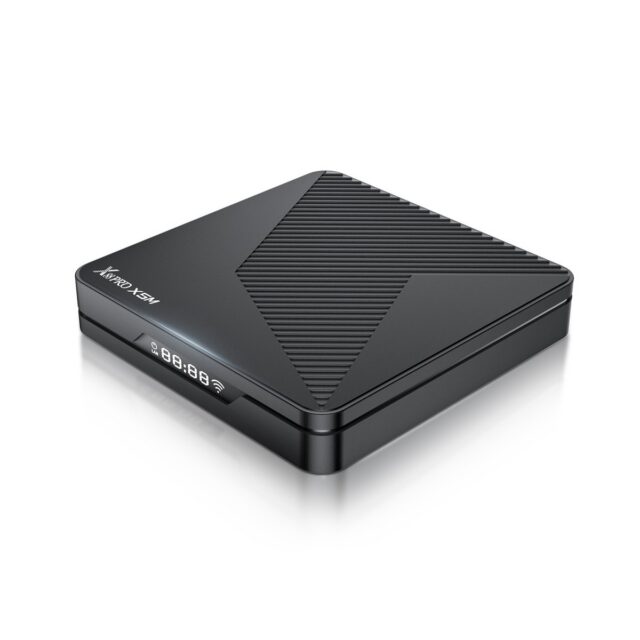
HDR format selection is often reduced to “does it support Dolby Vision”, but what actually determines the viewing experience is a whole chain: source format, box dec…

HDR format selection is often reduced to “does it support Dolby Vision”, but what actually determines the viewing experience is a whole chain: source format, box dec…
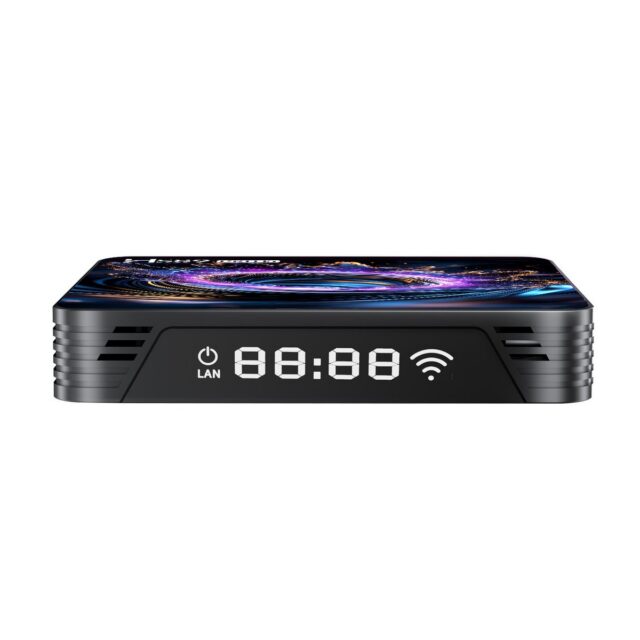
AV1 has appeared on TV box specification sheets frequently over the past two years, but what it actually changes is not widely understood. Judging whether it is wort…
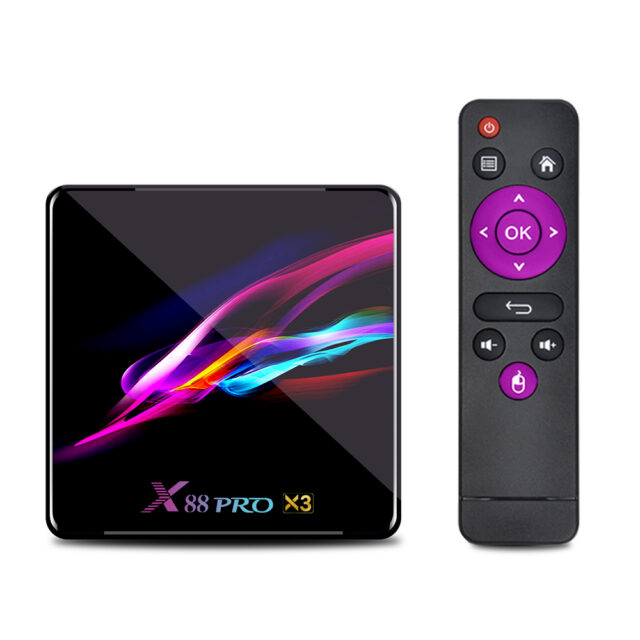
A large number of Android 9 and Android 10 TV boxes are still selling normally at noticeably lower prices. Whether Android 14 justifies the extra spend depends entir…
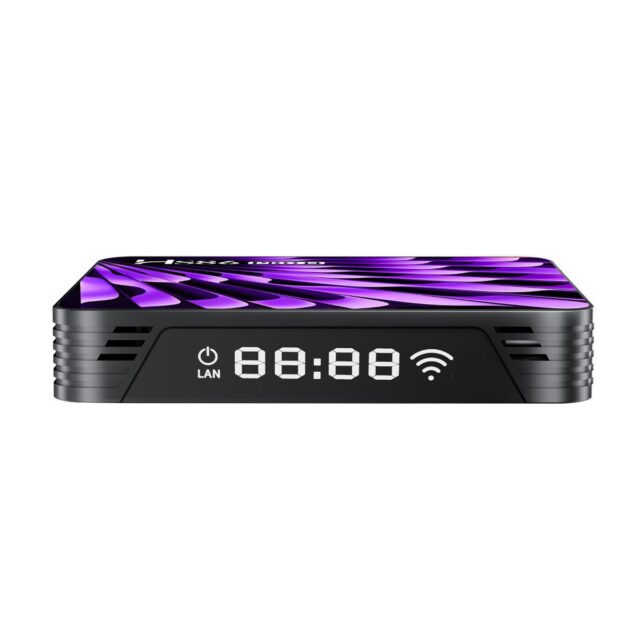
In TV box selection the “do we need GMS” question is often left until last, yet it determines which markets the product can reach and what the cost structure looks l…
HS86 and HS89 both look like network TV boxes and their model numbers sit close together, but they use different SoC platforms and serve two different positions. Cho…
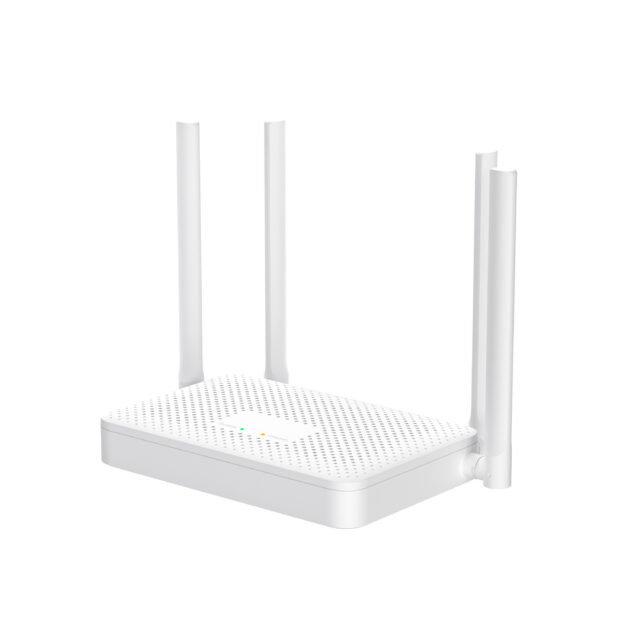
Downtime is expensive on an industrial site, and networking is the most failure-prone part of the chain. The goal of redundancy is not “no failures” but “a failure t…
Attaching a 4G/5G module to an industrial router or edge gateway looks like a matter of inserting a card. In practice, half the engineering problems come from power…
In industrial router or software router projects, the firmware platform often matters more to the outcome than the hardware specification. OpenWrt and ImmortalWrt fr…
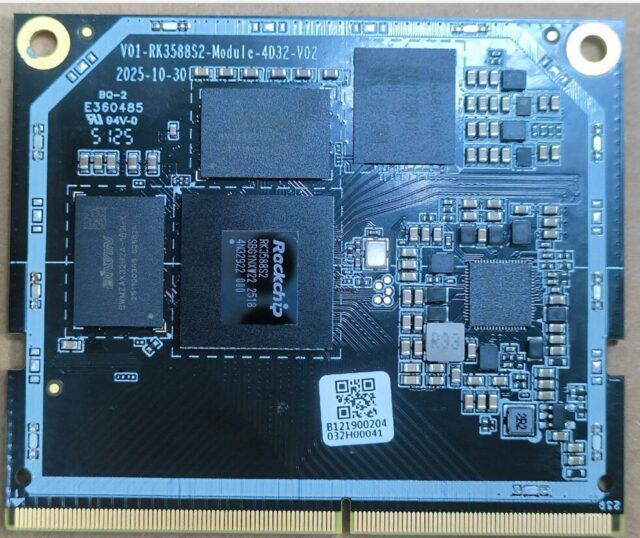
The most common mistake in a self-hosted cloud is treating “we have RAID” as “we have backups”. The two solve entirely different problems, and many people only learn…
Gigabit networking was standard a decade ago but increasingly looks like a bottleneck. When NAS traffic, backups and media transfers all share one gigabit link, the…