Self-Service Kiosk Hardware: Touch, Peripherals and 7×24 Operation
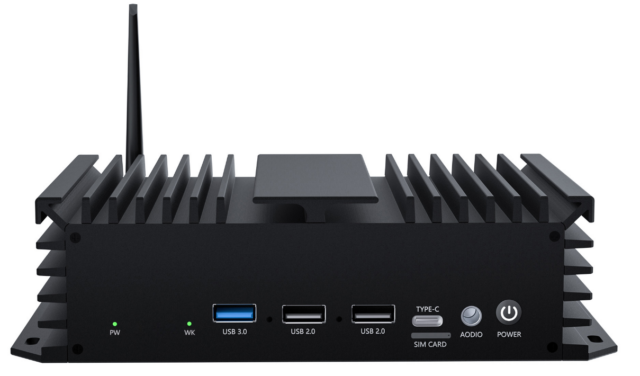
Self-service kiosks — information points, queue terminals, self-checkout, vending — share one characteristic: they sit in public spaces, run unattended, and a failur…

Self-service kiosks — information points, queue terminals, self-checkout, vending — share one characteristic: they sit in public spaces, run unattended, and a failur…
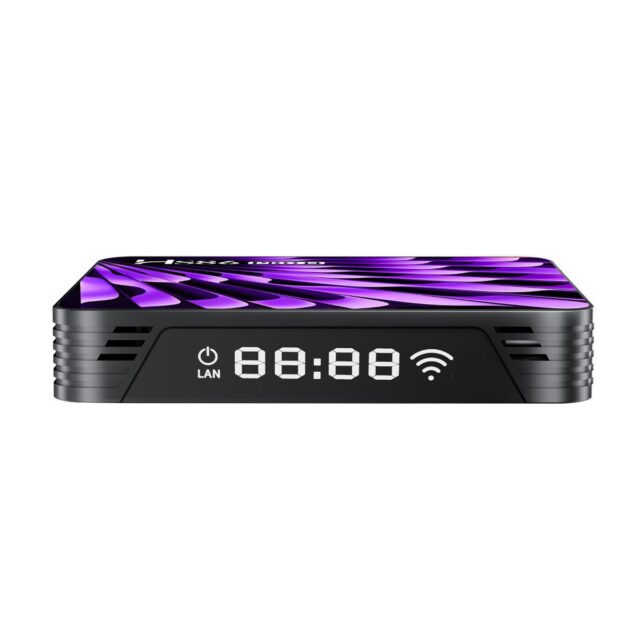
A TV box for a hotel room and one bought for home are entirely different propositions. Home use needs “it plays.” A hotel needs “several hundred units that all behav…
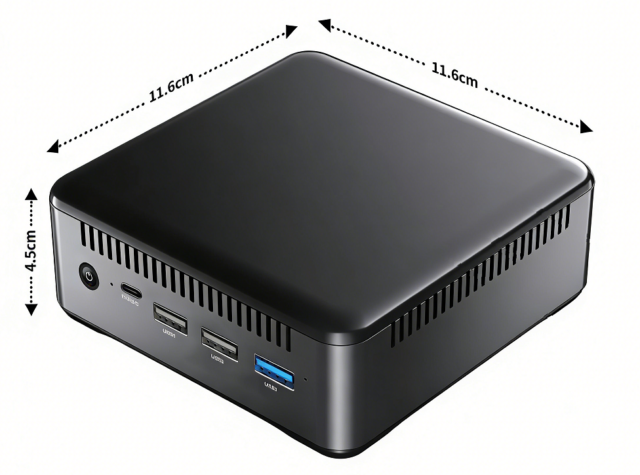
The device on a checkout counter looks like “a small computer running POS software,” but retail demands are nothing like home use: a pile of peripherals attached sim…
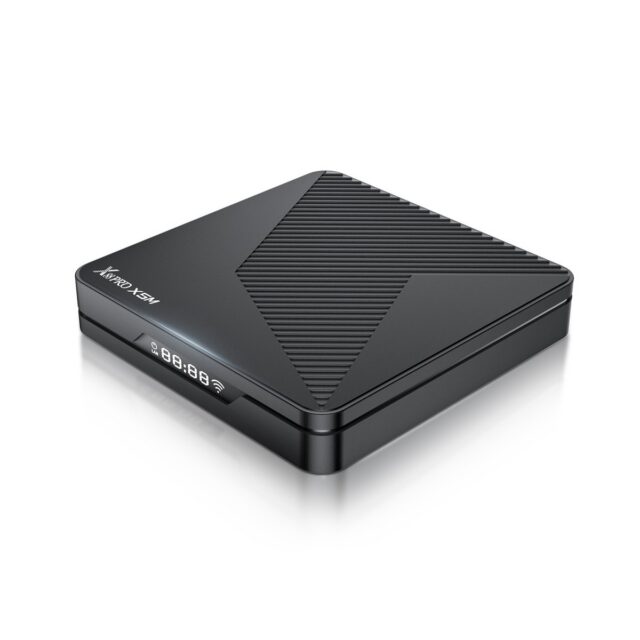
Certification is nearly always discovered at the last minute, and it is the one item that should never be left until then. It is not “just a label” — it determines w…
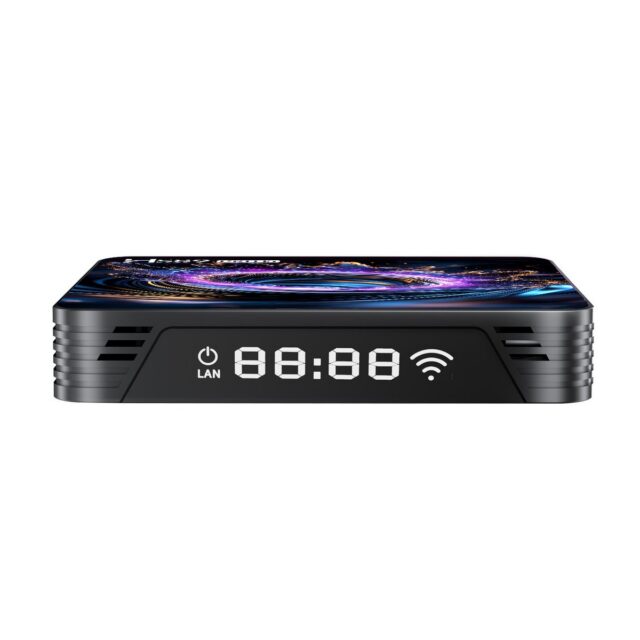
Once the technical parameters are settled, what actually determines how much trouble the next few years bring is usually the after-sales terms. Buying dozens or hund…

Treating a box that plays 4K as a video conferencing terminal is the first pitfall many projects hit. Playback only needs one-way decoding; conferencing needs simult…
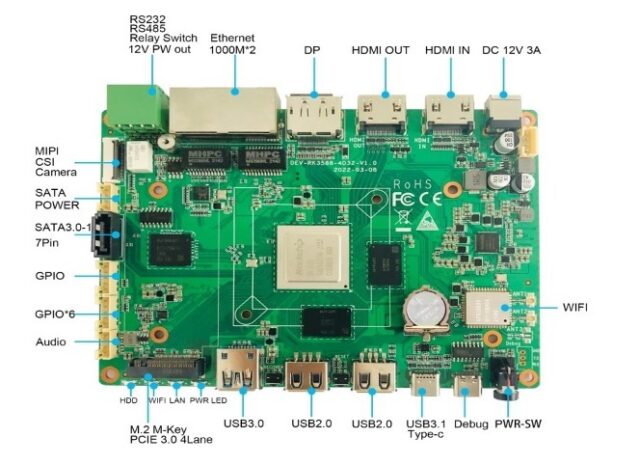
The large screen in a classroom looks much like the interactive panel in a meeting room, but the engineering priorities are entirely different. A meeting room cares…
When customers first discuss whole-device customisation, the opening question is usually “how much to change the housing and the boot logo?” That is hard to answer d…
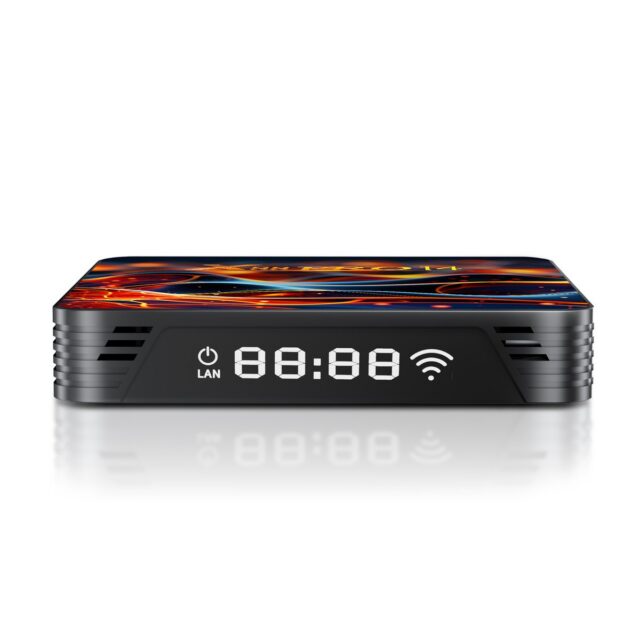
Once devices are in the field, fixing a single bug can mean sending someone on site — an absurd cost. OTA is not a feature to add later; it is an architectural decis…
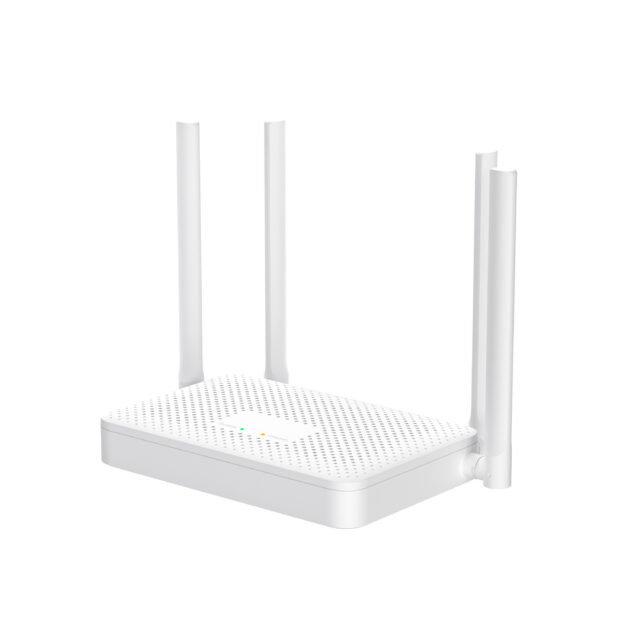
Devices live in distribution cabinets, on poles or in unattended equipment rooms. When one hangs, the only recovery is sending someone to power-cycle it on site — an…