Set-Top Box OEM/ODM Customisation: MOQ, Tooling, Certification and Cost Structure
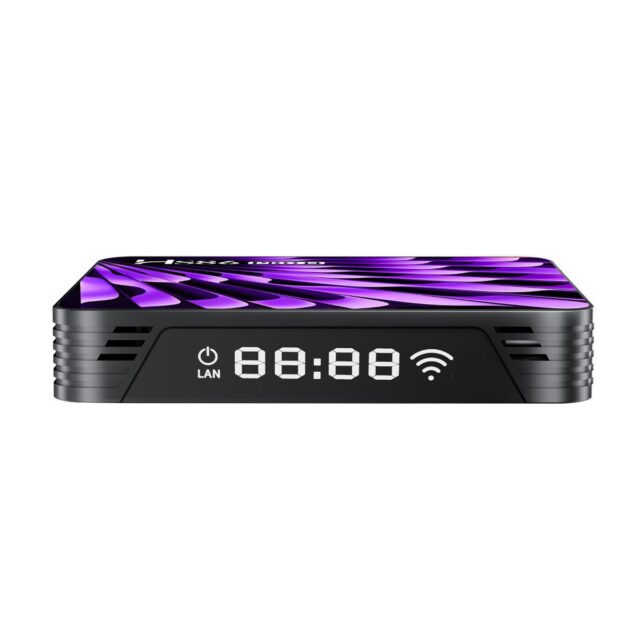
When customers first discuss whole-device customisation, the opening question is usually “how much to change the housing and the boot logo?” That is hard to answer directly, because the bulk of the cost is rarely the change itself — it is the amortisation of tooling and certification. The same “new housing” can differ by a factor of two in unit cost between a ten-thousand-unit and a hundred-thousand-unit programme.
First, one distinction: whole-device customisation and system-on-module customisation are different paths. SoM work centres on the PCBA — board changes, BSP porting and production programming. Whole-device work adds housing, packaging, certification, documentation and logistics on top. The effort and cost structure differ substantially, so categorise the requirement before choosing.
Three engagement models: know which tier you are in
White-label rebranding is the lightest: take an existing device and change only the brand logo, boot animation, launcher layout and packaging. No tooling, no recertification (provided the RF and power sections are untouched), typically the lowest MOQ and the shortest lead time. Suited to market testing or filling out a product line quickly.
Light OEM sits in the middle: modify the housing shape or port layout on an existing platform. This normally requires tooling and partial recertification, since structural changes can affect thermals and safety. A step up in cost, but it produces a recognisable product.
Deep ODM is the heaviest: a new design from mainboard to enclosure, redefining interfaces and configuration around the customer’s functional requirements. Highest investment and longest lead time, suited to customers with a clear market position and volume expectation.
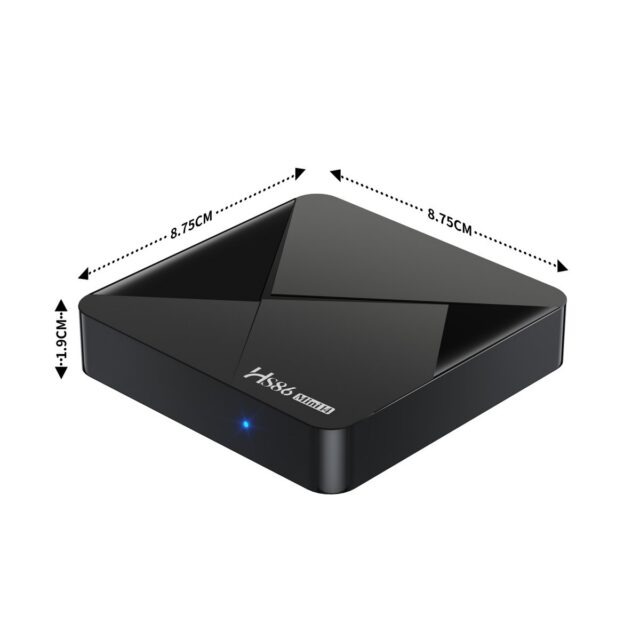
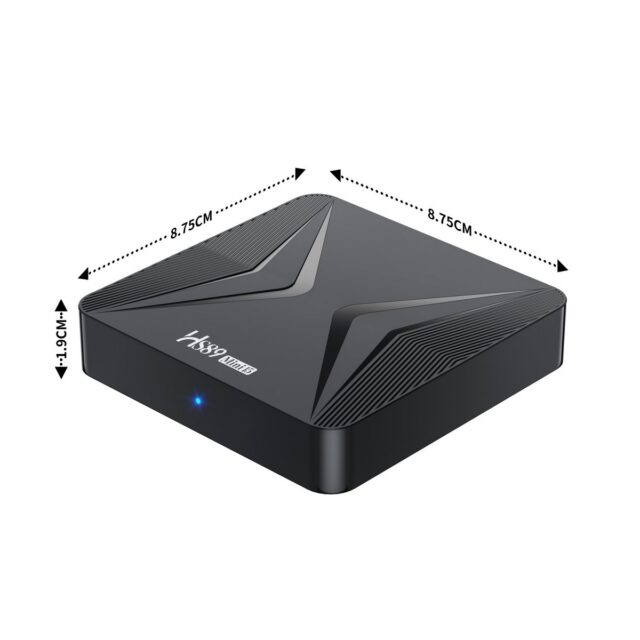
These tiers are not mutually exclusive. Many programmes start white-label, validate the market, then deepen customisation — keeping early investment and risk low. Platform-based product lines such as the HS86 PRO 14 set-top box (4K, Android 14) exist precisely because the underlying platform is mature, which is what makes housing and UI customisation achievable on a shorter cycle.
MOQ is not set by the supplier — it is derived from amortisation
Customers often ask why the MOQ has to be five thousand units. The real driver is not line capacity but the amortisation of one-time costs: tooling, certification, custom software development, packaging design and production fixtures. These are fixed, so the fewer units they spread across, the higher the unit cost.
An example. Suppose one-time costs total two hundred thousand yuan and the customer can accept a twenty-yuan uplift per unit — the MOQ lands near ten thousand units. Insist on three thousand units and the uplift becomes over sixty yuan per unit, which typically exceeds the gross margin on the device itself, and the programme no longer makes sense.
So the right way to negotiate MOQ is not to haggle but to adjust the numerator or the denominator: raise the volume, or reduce the one-time investment by reusing existing tooling, carrying over existing certification, or limiting customisation to the software layer. Presenting both routes is far more persuasive than quoting a single MOQ number.
Depth of customisation sets the schedule — and certification is what gets underestimated
Pure software customisation (UI, boot animation, preinstalled apps) can usually be done within two weeks. Tooling for a new housing takes roughly three to five weeks for design and machining, plus sample approval and revisions, so six to eight weeks overall. Mainboard changes add prototyping, bring-up and validation.
What is genuinely underestimated is certification. For Europe, CE covers EMC and safety and typically takes three to four weeks; structural or power changes require retesting. FCC in the US is faster, but wireless functions add RF testing. This time must be built into the schedule rather than started once the hardware is finished — failing certification means redesign, and that is the real rework.
The safer approach is to run certification in parallel with hardware development: send pre-compliance samples once the design is broadly frozen, and use the results to guide fine-tuning rather than testing for the first time on production samples.
Cost structure: do not stare only at the BOM
Whole-device cost has five components, and the BOM is only one:
Materials (BOM) usually dominates — SoC, memory, storage, wireless module, power and mechanical parts, with pricing strongly tied to volume. Processing and assembly covers SMT, assembly, test and packaging labour. Certification and compliance is the one-time cost described above. Packaging and accessories — gift box, manual, remote, power adapter and cables — is easily overlooked yet can reach five to ten percent of device cost. Logistics and duties depend on destination and trade terms.
Quote these five lines separately rather than as one lump sum, because when the customer later looks to cut cost they need to know where room remains. On mature platforms such as the X88 PRO 14 set-top box (RK3518, Android 14), the material and processing boundaries are already clear, so cost optimisation tends to land on the “softer” areas of packaging and accessories.
Confirm target markets before certification
Requirements vary widely by market, so confirm the list at kickoff: the EU requires CE (EMC and safety) plus RoHS and WEEE compliance; the US requires FCC, with additional RF testing for wireless functions; the UK has UKCA post-Brexit; and energy-efficiency regulations apply in several regions.
For smaller form factors such as the HS86 T1 TV stick, power is drawn directly from the television’s HDMI port, so the power and thermal constraints differ from a desktop box and the temperature-rise and EMC test items shift accordingly. Such differences belong in the platform selection stage, not halfway through the project when the certification path turns out to be blocked.
Conclusion
Whole-device customisation economics come down to one-time costs divided by volume, plus per-unit material and processing. To make a programme work, either raise the volume or reduce the one-time investment. In practice: identify whether you are white-label, OEM or ODM, list one-time costs line by line with amortisation worked out, pull certification forward to run in parallel with hardware development, and quote across the five cost blocks. That produces a price both sides can reason about.