What 8K Decoding Really Means on a TV Box

“8K” on a specification sheet is an easily misleading term. 8K decoding, 8K output and 8K content are three different things, and most deployments today only use par…

“8K” on a specification sheet is an easily misleading term. 8K decoding, 8K output and 8K content are three different things, and most deployments today only use par…
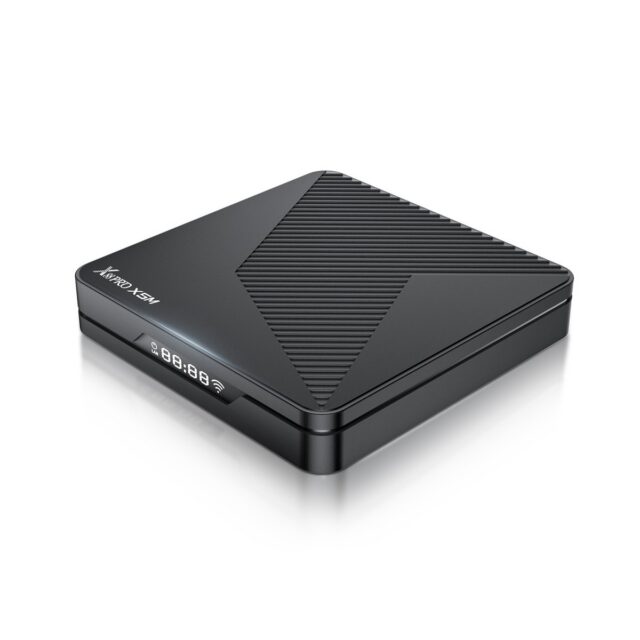
HDR format selection is often reduced to “does it support Dolby Vision”, but what actually determines the viewing experience is a whole chain: source format, box dec…
AV1 has appeared on TV box specification sheets frequently over the past two years, but what it actually changes is not widely understood. Judging whether it is wort…
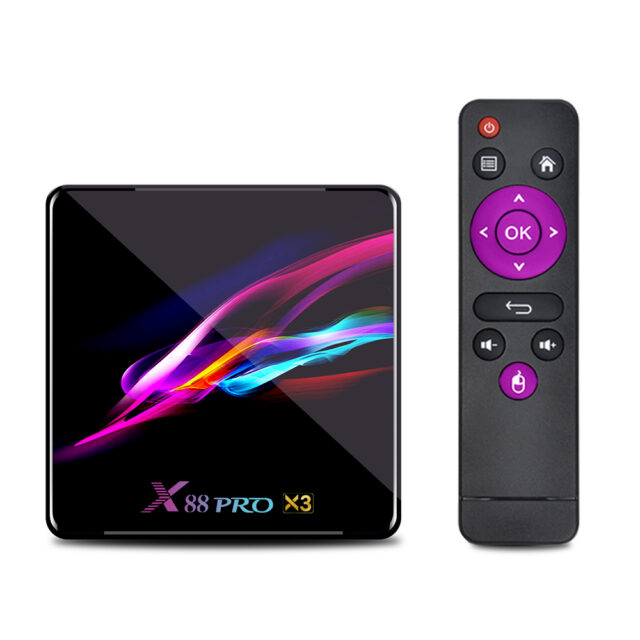
A large number of Android 9 and Android 10 TV boxes are still selling normally at noticeably lower prices. Whether Android 14 justifies the extra spend depends entir…
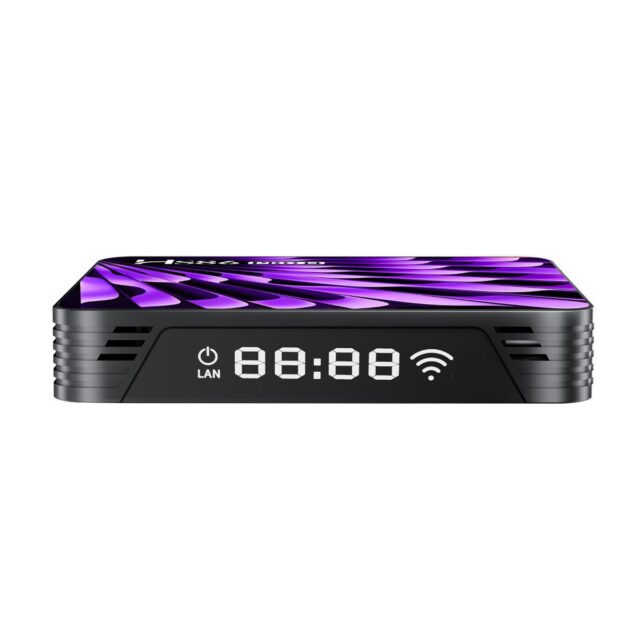
In TV box selection the “do we need GMS” question is often left until last, yet it determines which markets the product can reach and what the cost structure looks l…
HS86 and HS89 both look like network TV boxes and their model numbers sit close together, but they use different SoC platforms and serve two different positions. Cho…
The most overlooked thing about entry-level TV boxes is that users do not care about the SoC model at all. They care whether it boots quickly, whether the apps they…
Enterprise information display and digital signage look like a simple requirement: one screen, one box, content on loop. Once live, though, problems tend to surface…
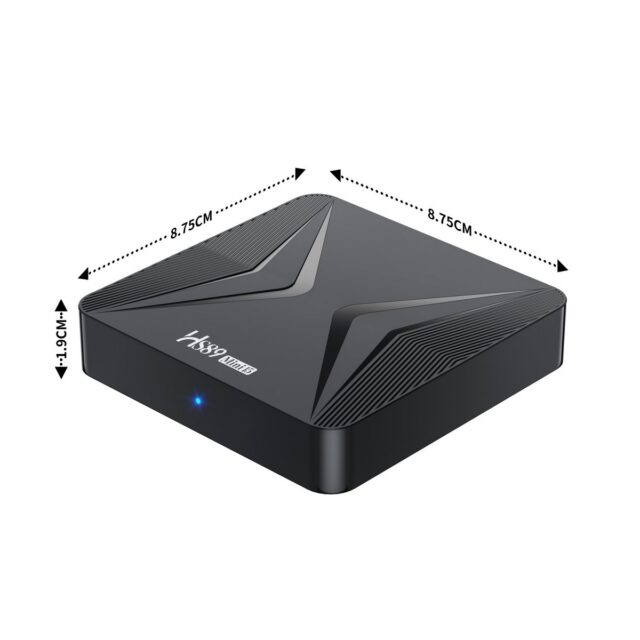
If you had to summarise the technical through-line of the 2026 TV box market in one sentence, it would be this: AV1 hardware decoding has moved from a bonus feature…
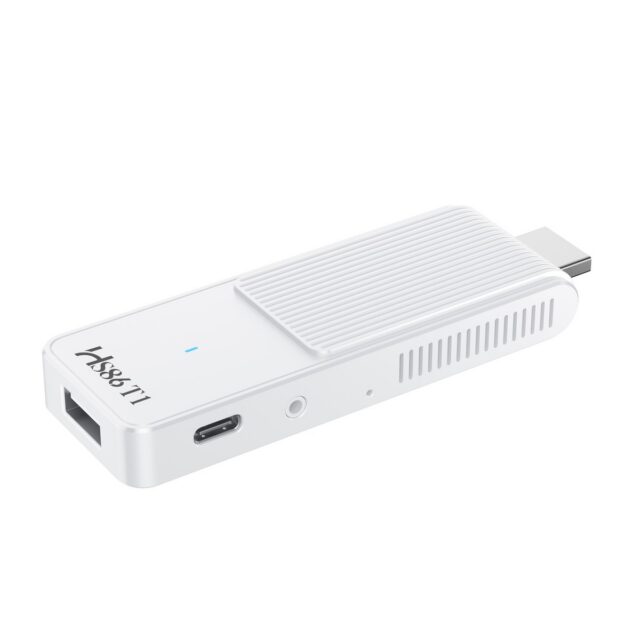
With the same budget, should you buy a TV stick or a TV box? There is no single answer, but there is a clear line of reasoning: start with mounting position and ther…