Export Hardware Certification: CE, FCC, RoHS, UKCA and Market Differences
Certification is nearly always discovered at the last minute, and it is the one item that should never be left until then. It is not “just a label” — it determines whether goods clear customs, whether they can be listed, and who carries liability if something goes wrong in the target market. Drawing up the list early is far cheaper than retrofitting it before shipment.
First, Separate What Is Legally Required From What a Customer Asks For
Certification comes in two flavours and confusing them wastes money. Mandatory requirements are conditions of market access — without them you cannot legally sell (CE in the EU, FCC in the US). Customer or channel requirements are imposed by the buyer: some operators and retail channels demand additional test reports. The first is not optional; the second is negotiable. Fix the list of target markets before doing anything else, because each additional market adds a set of requirements.
CE and UKCA: Europe and Britain Have Diverged
Since Brexit, UKCA is a separate mark for the British market and is no longer the same regime as EU CE. Supplying both usually means handling them separately. CE itself is not a certificate but a declaration of conformity — the manufacturer states that the product meets the applicable directives (commonly EMC, low voltage, radio equipment, environmental) and holds the supporting technical file. Where a product has radio functionality, radio-related testing is the focal point.
FCC and ISED: North America
The US market requires FCC compliance, with radio products additionally subject to RF testing and equipment authorisation; Canada maps to ISED (formerly IC). The test scope is similar but the two are not mutually recognised, so North America typically means “one round of testing, two filings.” Unlike the EU declaration approach, North America places more emphasis on authorisation and labelling, with prescribed information on the label.
RoHS and REACH: Materials and Environment
These target restrictions on specific substances in materials, not product performance. RoHS limits certain hazardous substances in electrical and electronic equipment; REACH addresses registration and declaration of chemical substances. In practice the crux is whether the supply chain can provide compliance declarations — if upstream component suppliers cannot produce material declarations, completing the file at product level becomes very hard. So this needs pushing back to selection stage, not bolting on afterwards.
Radio Products Carry Additional Type Approval
Products with Wi-Fi, Bluetooth or cellular modules face, beyond general EMC, market-specific radio equipment regulation — each country runs its own approval scheme, and applications usually require a local entity or agent. Cellular modules additionally involve operator network approval, which generally takes longer. Where the form factor allows, preferring designs with already-certified modules removes a substantial share of the RF certification workload.
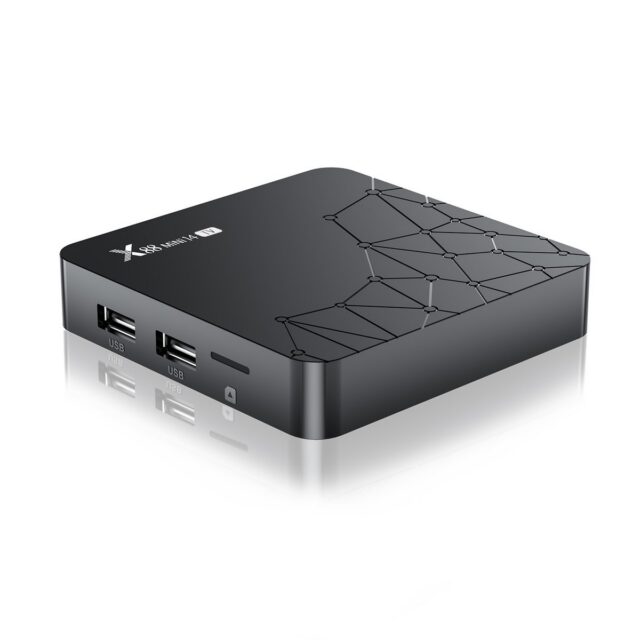
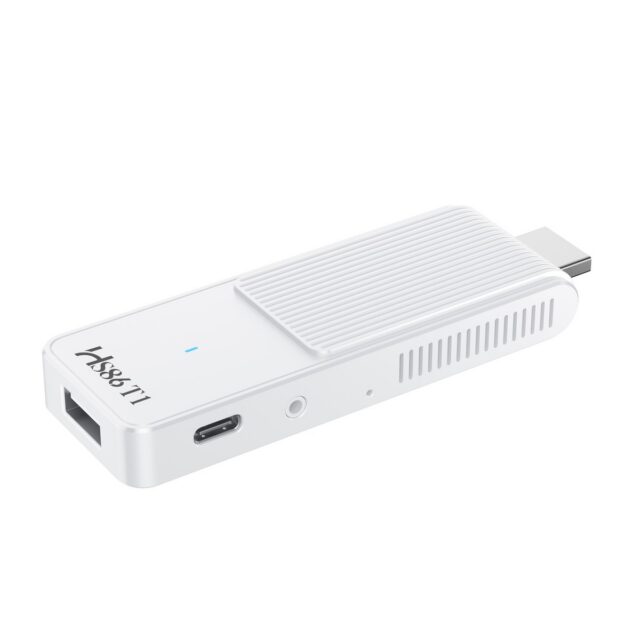
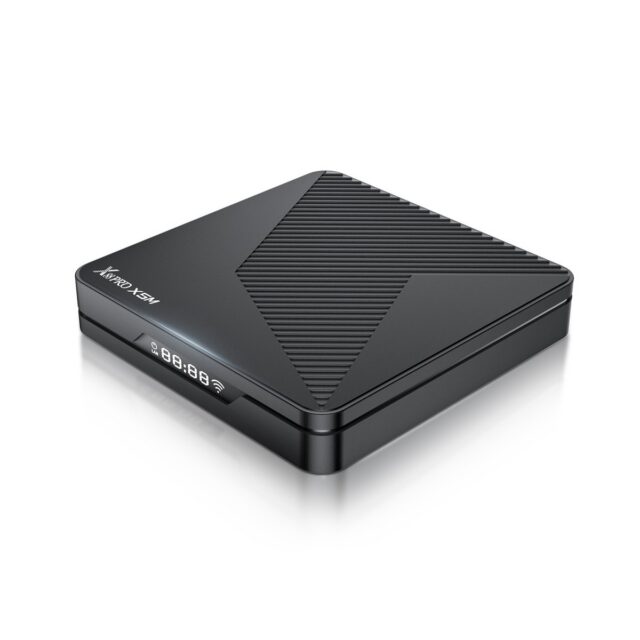
For complete units with integrated wireless, such as the X88 PRO X5M 机顶盒(S905X5M 安卓 14) and the HS86 PRO 14 机顶盒(4K 安卓 14), confirming which markets the radio approvals actually cover is essential before shipping; established models like the X88 PRO20 机顶盒(RK3566 安卓 11) usually have a fuller record of market coverage that can be checked.
Estimating Cost and Lead Time
Fees and schedules depend on three variables: how many target markets, whether the product has radio, and whether a board respin is needed. The first two are predictable fixed items; the third is the biggest source of uncertainty — if testing fails and the board changes, a new round of fees and time begins. Designing with certification requirements in mind from the start is therefore the cheapest approach by far.
Practical advice: hand the target market list to the supplier at quotation stage and establish three things — which certifications already exist, which need fresh applications, and what each costs and takes. Answer those and most of the uncertainty in the export process disappears.