Energy Monitoring Gateway Selection: Serial Ports, Networking and Edge Compute
In energy management, power monitoring and consumption data acquisition, the gateway plays an unglamorous but critical role: it talks downwards to meters and devices, upwards to platforms and cloud, and in between must ensure data is continuous, correct and not lost. The difficulty is that those three demands frequently pull against each other.
Three Jobs the Gateway Must Do
First, downstream acquisition: reading electricity meters, water meters, sensors and PLCs, typically over Modbus (serial or TCP), DL/T645 or other industry protocols. Second, upstream backhaul: delivering data to a local server or cloud platform over Ethernet, 4G/5G or a dedicated line. Third, store-and-forward: when the network drops, data must not be lost, and must be re-sent once it returns.
The third is the most overlooked and the most damaging to data quality — energy data is used for time-series billing or analysis, so a gap is simply a gap and cannot be reconstructed afterwards. Local storage and store-and-forward capability should therefore be confirmed at selection stage.
Downstream: Serial Port Count and Isolation
The hardware focus downstream is serial ports. Industrial meters overwhelmingly use RS485/RS232, so how many meters hang off one gateway and over how many buses directly sets the number of ports needed. Running out of serial ports is the most common cause of rework in these projects — you reach site, find more instruments than planned, and have to add another gateway.
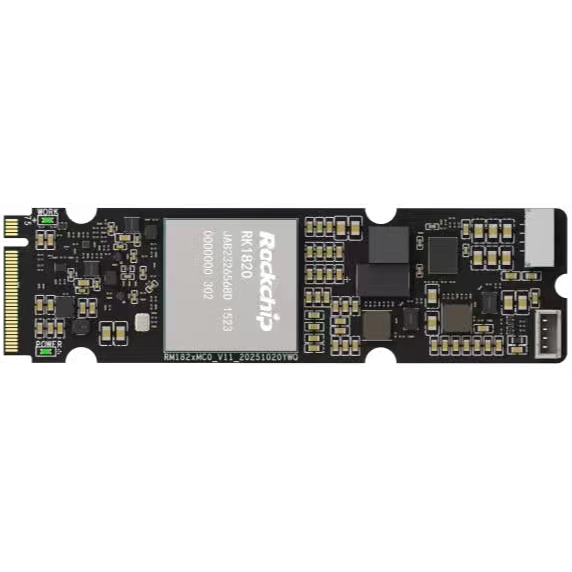
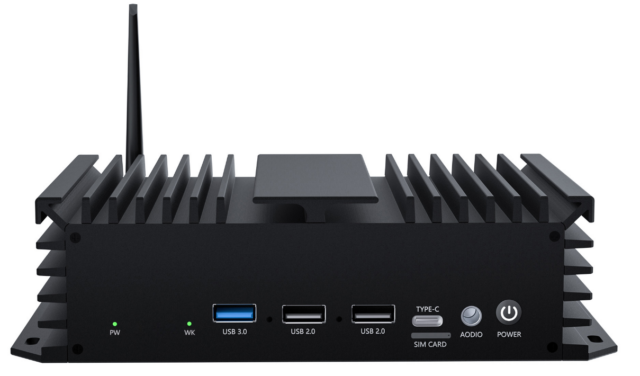
The other key item is isolation. Common-ground noise, ground loops and surge all enter through serial lines, and non-isolated ports are especially vulnerable on long cable runs. A board with multiple isolated serial ports, such as the 05A IPA-RK3588 工业控制主板, is far more dependable here than a general-purpose board plus USB converters — every converter adds a failure point and maintenance burden.
Upstream: Ethernet, Cellular and Store-and-Forward
Upstream has three considerations: how many Ethernet ports (is WAN/LAN separation needed, or multiple ports for redundancy), whether cellular backup exists (can it fail over to 4G if Ethernet drops), and how much data can be held locally. Some projects also need VPN or dedicated-line access, which is a system-level capability question.
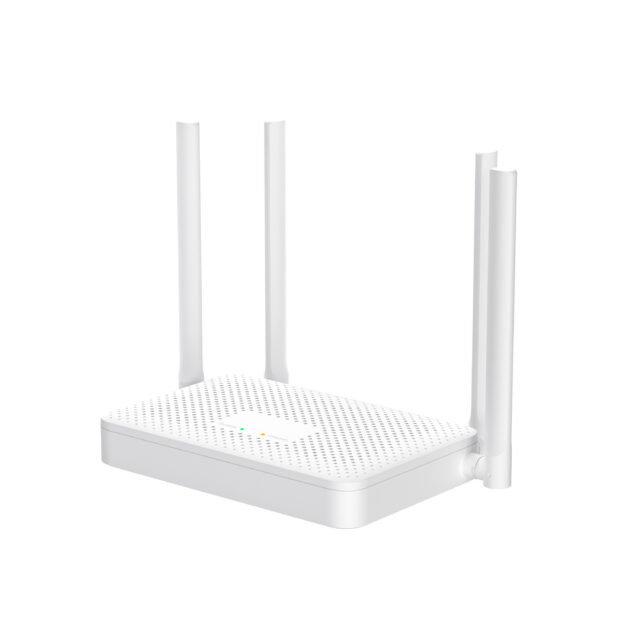
A router-oriented industrial board such as the 03R EDGE-RT28 (RK3528) 工业路由器主板 matches better on port configuration and cellular expansion; where the project also needs heavier local analysis and storage, a more capable edge host like the 02A EDGE-RK3576 V1.1 fits better.
Edge Compute: What Actually Runs Locally
Not every gateway needs serious compute, but being explicit about “what runs locally” matters. Four common needs: protocol translation (unifying different protocols into one), cleaning and aggregation (de-noising, summarising into time windows to cut upstream traffic), local alarm logic (threshold actions without waiting for the cloud), and local storage (buffering during outages).
The first two are undemanding and suit lower-tier platforms; only local load forecasting or efficiency analytics justify higher compute. Decide what runs locally first, then choose the compute tier — otherwise you pay for performance you never use.
Industrial Environment
Gateways live in distribution cabinets, equipment rooms or field enclosures, and conditions directly determine reliability: temperature range (cabinet interiors get very hot in summer), supply (is stable DC available, is wide-voltage input required), and mounting (rail or wall). Fixing these three at selection stage prevents a great many site problems later.
Selection Checklist
Five steps: count the instruments (number, bus type, protocol) → fix serial ports (count and isolation) → fix upstream (Ethernet port count, cellular backup, VPN) → fix local capability (translation / aggregation / alarms / buffering, which sets compute) → confirm environment (temperature, supply, mounting).
With instrument count and protocols, upstream method and backup requirements, and installation environment written down, selection lands right first time — in these projects the most expensive cost is rarely the hardware but the rework when interfaces turn out wrong on site.