What Android GMS Certification Actually Means: A Hardware Buyer’s Guide
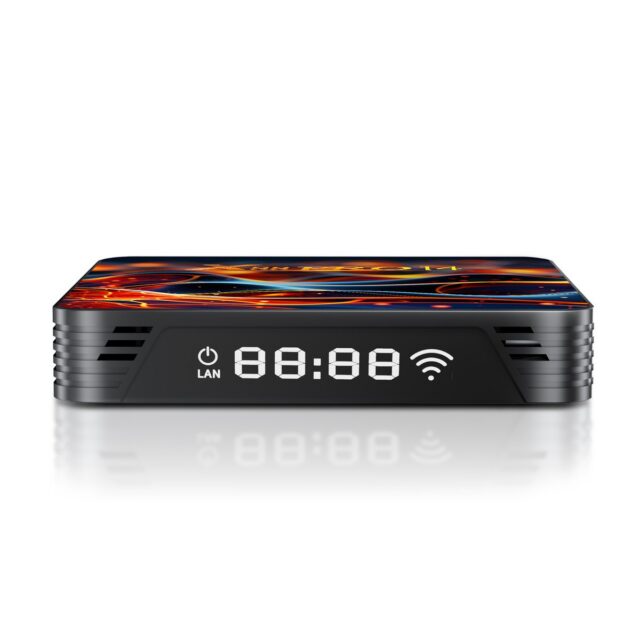
Two devices both labelled “Android 14” — one lets users sign into a Google account and install Play Store apps, the other only accepts sideloaded APKs. The difference is not hardware but whether GMS certification was obtained. For hardware teams selling into export markets, this is a cost that must be planned up front.
What GMS is, and what it is not
Android itself is an open-source project (AOSP) that anyone may compile and use. GMS refers to Google Mobile Services, a set of proprietary components including the Play Store, Play Services, the account system and push messaging. AOSP is not GMS; the two are separate.
To preinstall GMS lawfully, a device manufacturer must hold a licence agreement with Google, and the device must pass the relevant compatibility testing. Preinstalling without a licence is a violation and carries the risk of channel delisting and liability. This matters especially in export business — you cannot muddle through on a “we’ll deal with it later” basis.
Which tests certification involves
The core is CTS, the Compatibility Test Suite, verifying that system behaviour conforms to the Android Compatibility Definition Document. There is also GTS, which validates that GMS components function correctly, and some form factors additionally involve VTS and other suites. Running the full set places heavy demands on BSP stability: test cases number in the tens of thousands, any unstable subsystem causes failure, and failure means rerunning and re-billing.
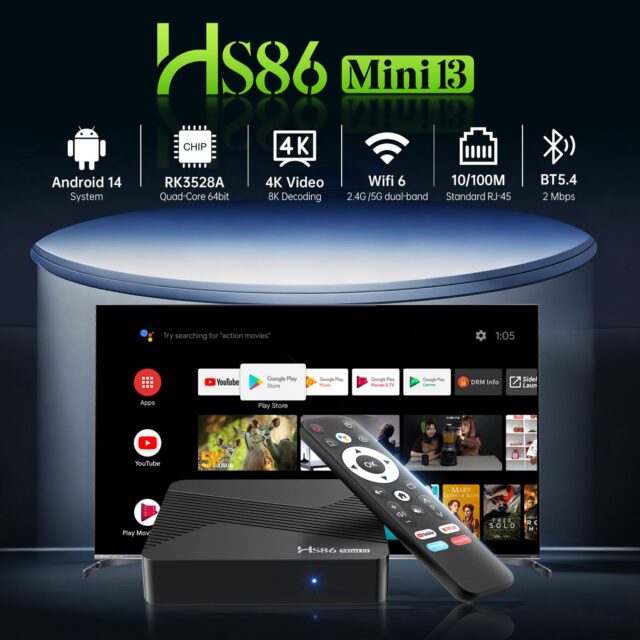
The special case of TV boxes
Television-class devices do not follow the phone certification path. Achieving an Android TV or Google TV form factor requires a separate programme licence and, beyond CTS, usually certification by the streaming platforms themselves in order to obtain the corresponding apps and high-definition playback.
That explains why so many AOSP TV boxes exist in the market: they run Android without GMS, and users install applications themselves. These products have a cost advantage and suit price-sensitive markets where users are reasonably capable; the price is a weaker out-of-box experience and greater after-sales pressure.
What it demands of the hardware platform
Whether certification passes depends heavily on the BSP quality provided by the chip vendor and the solution provider. Several things need confirming in advance: whether the BSP has already passed CTS for the corresponding version, whether the kernel is stable, whether the hardware key support required for Widevine L1 exists, and whether the secure boot and key provisioning flow is complete.
The X88 PRO 14 set-top box and the HS89 PRO 15 set-top box are both Android 14 platforms, while the X88 PRO X5M set-top box is based on the S905X5M running Android 14. For a finished-product project, establish at the selection stage whether GMS is required and which programme licence applies, because it shapes BSP choice, project schedule and certification budget. The earlier it is settled the better.
Estimating time and cost
Certification is not a one-off action but an ongoing investment: every new model and every major version upgrade typically requires going through the process again, involving test equipment, staffing and licence fees. On the schedule, budget in months rather than weeks.
A pragmatic approach is to split it into two phases: first run the main CTS cases on an engineering sample to clear obvious compatibility problems, then submit for formal testing. That avoids repeated failure and repeated fees inside the official process.
Conclusion
Whether to pursue GMS is fundamentally a market positioning question: for brand channels needing a complete, out-of-box ecosystem, do it; for price-sensitive markets whose channels accept AOSP, it can be skipped. Either way it must be decided at project kickoff, because it constrains the chip, the BSP, the memory configuration and the project timeline in reverse.