EDGE RK3576 or RK3588-4D32: How to Choose Between the Two
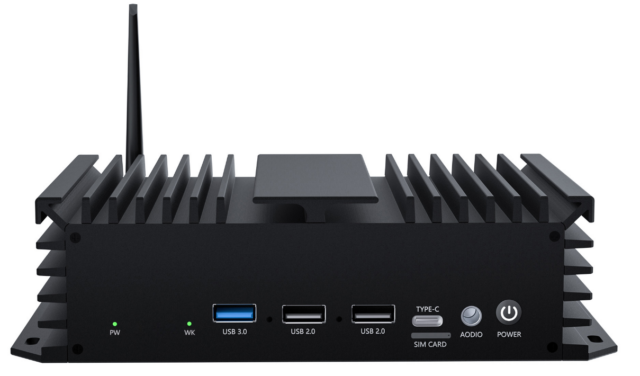
Choosing between models in the same series is harder than choosing between series — the enclosure and connector layout look alike, and the spec sheet does not obviously separate them. These two EDGE models are exactly that case: they target the same class of edge deployment, and the real difference is the compute tier and the configuration ceiling. The way to decide is to establish where your actual bottleneck sits.
First: Is It a Compute Bottleneck or an Interface Bottleneck?
This is the first fork, and it is often skipped. An interface bottleneck looks like this: lots of things to connect (multiple serial ports, several Ethernet ports, CAN, several cameras), but each stream is not complex. A compute bottleneck looks like this: model inference, multi-stream video analytics, or heavy local transcoding and processing.
If interfaces are the constraint, a higher compute tier buys little and the money belongs in interface completeness and stability. If compute is the constraint, you must go a tier up — and check memory and storage keep pace. Separating those two gets you halfway to the answer.
CPU and NPU: The Gap Shows Up in Concurrency
The RK3588 sits above the RK3576, and the difference is not only peak performance but how much it can do at once: how many inference streams run concurrently, whether video can flow smoothly while inference runs, whether tasks contend for resources. For single-stream, intermittent inference, the mid tier is usually sufficient; for sustained multi-stream work, the higher tier’s headroom is visibly more comfortable.
Worth noting: headline NPU throughput is not usable throughput — operator support, quantisation approach and whether the application genuinely takes the accelerated path all matter. The honest approach at selection stage is to run your own model on a sample and measure occupancy and latency, rather than comparing spec sheets.
Memory and Storage: The Underestimated Item
The same SoC behaves very differently at different memory and storage configurations. Multi-stream video analytics, containerised deployment and larger model files are all sensitive to memory capacity and bandwidth; storage affects responsiveness and the stability of log and data flushing. A higher-configured model such as the 01B EDGE-RK3588-4D32 V1.2A is often worth it not for the SoC itself but because memory stops being the thing that holds you back.
Interfaces and Expansion
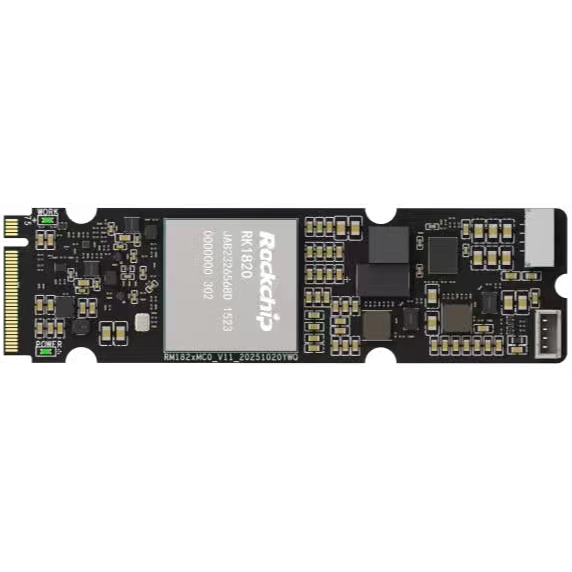
Both target edge deployment with a consistent interface philosophy, but they leave different room to grow. If compute must increase later, an M.2 form-factor module such as the RM182X M.2 2280 算力协处理器模组(20TOPS) offers an upgrade path that does not replace the mainboard — choose the SoC for today’s need and expand compute later, which is more economical than buying the top configuration up front.
Form factor is the other consideration: edge box or mini PC. A mini PC shape like the 01H MINI PC-RK3588 wins on interface richness and flexibility of desk or wall mounting, suiting scenarios with many peripherals; a pure box shape suits rail or rack mounting better.
Power Draw and Thermal Envelope
Higher tiers generally mean more power and more heat. Be explicit about the thermal conditions of the installation: sealed enclosure, outdoor cabinet, or racked with airflow. Where conditions are poor, a high-compute model may not sustain full load, and a well-cooled mid-tier model will actually outperform it. Verify this at sample stage — run sustained worst-case load, not an idle bench test.
Decision Checklist: Which One, When
Choose RK3576 when: single or lightly concurrent inference, the job is interfaces and data acquisition, thermal conditions are constrained, budget is tight, or deployment volume is large. Choose RK3588-4D32 when: concurrent multi-stream inference, heavy local processing, large memory requirements, or further workloads will be layered on later.
If you sit on the boundary, the recommended approach is: prototype on the mid tier and measure the real load. Actual load in edge projects rarely matches the design-stage estimate, and deciding from measured data beats deciding from a guess.